
The Ultimate Guide to Hair Fall Treatment for Men in Bangladesh
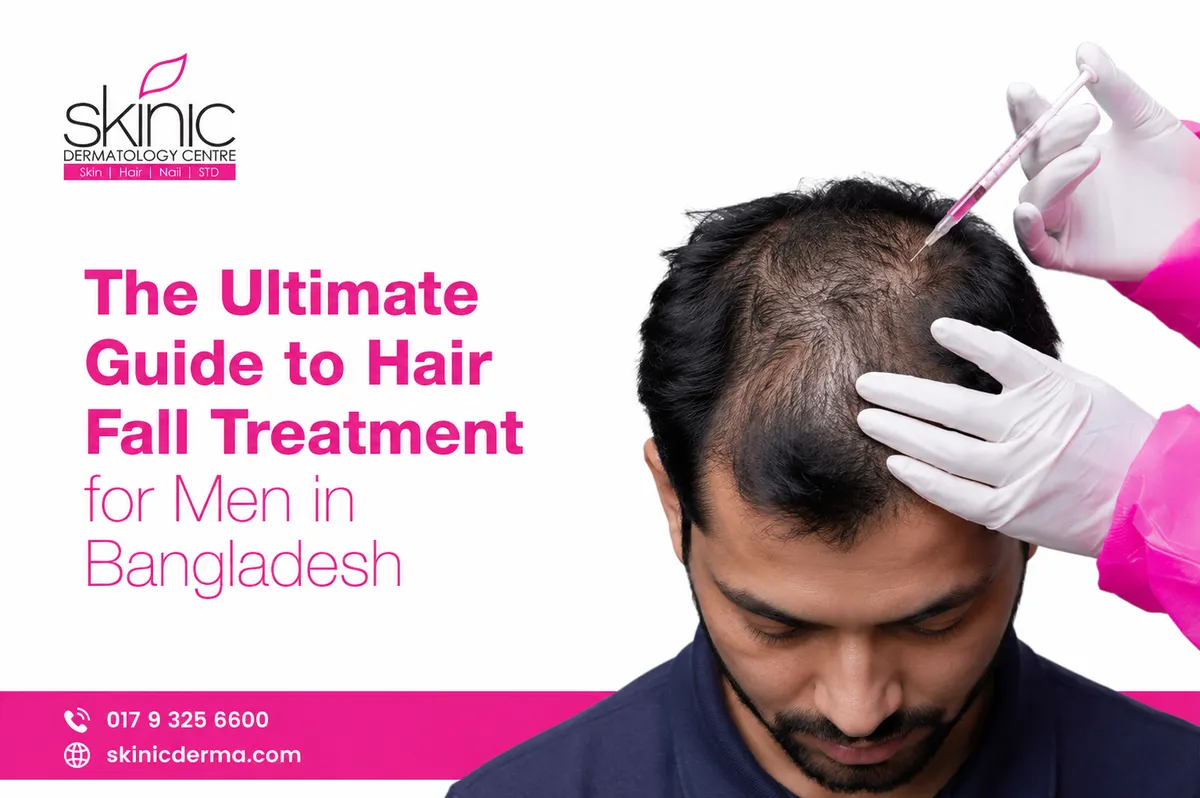
Hair fall is one of the most common concerns Bangladeshi men bring up in dermatology clinics today. Between Dhaka’s humid climate, air pollution, hard water, stress from work and study, and a genetic tendency toward male pattern baldness, it’s no surprise that so many men in their 20s, 30s, and 40s notice more hair on their pillow, comb, or shower drain than they’d like.
The good news? Hair fall is rarely untreatable. With the right diagnosis and a treatment plan tailored to the underlying cause, most men can slow down hair loss significantly and, in many cases, regrow noticeably thicker hair.
This guide walks you through everything you need to know — from why hair fall happens in the first place, to the treatments available right here in Bangladesh, and how a qualified dermatologist like Dr. Asif Imran Siddiqui at Skinic Dermatology Centre can help you get real, lasting results.
Is Your Hair Fall Normal or a Problem?
Losing hair every day is completely normal — it is normal to lose approximately 50–100 strands of hair each day as hair naturally grows and renews itself. The issue arises when shedding significantly exceeds this range, when you notice a receding hairline, a widening part, or visible thinning at the crown.
Signs that your hair fall may need professional attention include:
- Noticeable hair shedding while washing or brushing your hair
- A visibly thinning crown or receding hairline
- Patchy bald spots
- Hair fall accompanied by scalp itching, flaking, or redness
- Sudden, rapid hair loss over a few weeks or months
If any of these sound familiar, it’s worth getting a proper scalp evaluation rather than relying on guesswork or random over-the-counter products.
Schedule an Appointment for Male Hair Treatment
Common Causes of Hair Fall in Men in Bangladesh
Hair loss is typically influenced by several factors, not just one. In our clinical experience treating men across Dhaka and beyond, these are the most frequent contributors:
1. Genetics (Androgenetic Alopecia)
Also known as male pattern baldness, this is the single most common cause of hair loss in men worldwide, including in Bangladesh. A genetic response to DHT (dihydrotestosterone) is the main cause of this condition, which typically appears as a receding hairline and reduced hair density around the crown.
2. Climate and Pollution
Dhaka’s high humidity, heat, and air pollution can increase scalp oil production, clog hair follicles, and weaken hair strands over time.
3. Hard Water and Poor Water Quality
In many areas of Bangladesh, hard water with high mineral levels can strip moisture from the scalp, leaving hair dry, brittle, and more likely to break.
4. Nutritional Deficiencies
Low iron, vitamin D, vitamin B12, and protein intake — common in diets lacking variety — are strongly linked to hair thinning and shedding.
5. Stress
Stress from studies, work, or daily life can contribute to telogen effluvium, a temporary hair loss condition that causes an unusually high number of hairs to enter the shedding stage earlier than normal.
6. Underlying Health Conditions
Thyroid disorders, scalp infections (like fungal infections common in humid climates), and certain medications can also cause hair loss.
7. Harsh Hair Products and Styling Habits
Frequent use of strong shampoos, gels, and tight haircuts or head coverings can contribute to traction-related hair thinning.
Types of Hair Loss We See at Skinic Dermatology Centre
Understanding which type of hair loss you have is the first step to effective treatment:
- Androgenetic Alopecia (Male Pattern Baldness): Gradual, patterned thinning at the hairline and crown.
- Telogen Effluvium: Diffuse, all-over shedding, often triggered by stress, illness, or a major life event.
- Alopecia Areata: Sudden, patchy hair loss believed to be autoimmune in nature.
- Traction Alopecia: Hair loss from repeated tension on the scalp.
- Fungal or Infective Hair Loss: Common in Bangladesh’s humid climate, often accompanied by itching and flaking.
Since these conditions look similar on the surface but require very different treatments, self-diagnosing from the internet or a pharmacy counter often leads to wasted time and money.
How Hair Fall Is Diagnosed at Skinic Dermatology Centre
When you visit Dr. Asif Imran Siddiqui for a hair fall consultation, the process typically includes:
- Detailed history-taking — diet, stress levels, family history, medications, and hair care routine
- Scalp and hair examination, often using trichoscopy (a digital magnification tool to closely examine hair follicles and scalp condition)
- Blood tests, where needed, to check for thyroid function, iron levels, and vitamin D/B12 deficiencies
- Pull test and pattern assessment to determine the type and stage of hair loss
This evidence-based approach ensures that your treatment plan targets the actual cause of your hair fall, not just the symptoms.
Effective Hair Fall Treatments for Men in Bangladesh
1. PRP (Platelet-Rich Plasma) Therapy
PRP (Platelet-Rich Plasma) therapy is a commonly performed clinical procedure that uses a small sample of your own blood. The blood is processed to isolate a concentrated, platelet-rich plasma containing natural growth factors, which is then injected into the scalp to help nourish hair follicles, promote a healthier scalp environment, and support natural hair growth.
PRP has become increasingly popular in Dhaka for men seeking a non-surgical option with minimal downtime.
2. GFC (Growth Factor Concentrate)
GFC therapy is an advanced hair restoration technique that uses highly concentrated growth factors extracted from the patient’s blood. This treatment promotes faster follicle repair and supports healthier hair growth.
3. Exosome Therapy
Exosome Therapy is an advanced regenerative treatment to support healthier skin and hair. By utilizing powerful cell-derived exosomes, this treatment helps promote the skin and scalp’s natural renewal process, making it an effective option for skin rejuvenation and hair restoration.
4. Nutritional Correction and Supplements
Where deficiencies are identified, targeted supplementation (iron, biotin, vitamin D, zinc) can meaningfully improve hair density and strength over a few months.
Most patients see the best results from a combination approach — for example, minoxidil plus PRP, or finasteride alongside nutritional correction — customized to their specific diagnosis.
Lifestyle Tips to Support Hair Health
While professional treatment addresses the root cause, these habits can support your results:
- Eat a protein-rich diet with adequate iron and vitamins (eggs, fish, leafy greens, lentils)
- Avoid excessive heat styling and harsh chemical treatments
- Use a mild, sulfate-free shampoo suited to Dhaka’s water and climate conditions
- Reduce stress by staying physically active and getting enough restful sleep
- Avoid tight caps, helmets, or hairstyles that pull on the scalp for long periods
Common Hair Fall Myths in Bangladesh
- “Hair oil alone can cure baldness” — Oiling supports scalp health but cannot reverse genetic hair loss without medical treatment.
- “Only old men lose hair” — Hair loss caused by male pattern baldness can develop as early as the late teens or early adulthood.
- “Cutting hair often makes it grow back thicker” — Trimming has no effect on the hair follicle or growth rate.
Schedule an Appointment for Hair Treatment
Why Choose Skinic Dermatology Centre for Hair Fall Treatment
Skinic Dermatology Centre, led by Dr. Asif Imran Siddiqui, offers a structured, science-based approach to hair fall treatment for men in Bangladesh.
Rather than offering one-size-fits-all solutions, every treatment plan begins with a proper diagnosis to identify exactly why hair fall is occurring — followed by a personalized combination of medical, procedural, and lifestyle interventions.
If you’ve been dealing with hair fall and aren’t sure where to start, an initial consultation can clarify what’s actually happening with your scalp and hair — and what your realistic options are.
Final Thoughts
Hair fall can feel discouraging, but for the vast majority of men, it’s a manageable condition — not a permanent fate. The key is getting an accurate diagnosis early and following a treatment plan suited to your specific cause of hair loss, rather than relying on generic products or unverified home remedies.
If you’re experiencing hair thinning or hair fall and want an expert opinion, book a consultation with Dr. Asif Imran Siddiqui at Skinic Dermatology Centre to get a personalized treatment plan designed around your hair, scalp, and lifestyle.
Frequently Asked Questions
1. At what age does hair fall treatment work best?
Earlier intervention generally produces better results, especially for male pattern baldness, since it’s easier to preserve existing follicles than to regrow hair from fully dormant ones.
2. Is PRP treatment painful?
Most patients tolerate PRP well, with only mild, temporary discomfort during the injections. To improve comfort, a numbing cream can be applied before treatment.
3. How long before I see results from hair fall treatment?
Most treatments require 10 sessions of consistent use before visible improvement, as hair growth cycles are naturally slow.
4. Can hair fall be completely cured?
Genetic hair loss can’t be “cured” outright, but it can be effectively managed and significantly slowed with the right treatment, and hair density can often be improved.
5. Can stress cause hair fall in men?
Yes. Ongoing physical or emotional stress can trigger temporary hair shedding. Hair growth often improves once the underlying cause is addressed.
6. Do I need blood tests for hair fall?
Not always. Your dermatologist may recommend blood tests if an underlying condition or nutritional deficiency is suspected.
7. Is PRP therapy enough for male pattern hair loss?
PRP can support hair growth, but many men achieve better results with a personalized combination of treatments.
8. When should I see a dermatologist for hair fall?
If your hair loss is persistent, worsening, or accompanied by thinning, bald patches, or scalp problems, it’s best to seek a professional evaluation early.
Book Your Appointment
Appointment will be confirmed over phone as per the available time slot of our consultant.