
Hair Fall Treatment in Dhaka: Causes, Diagnosis & Solutions
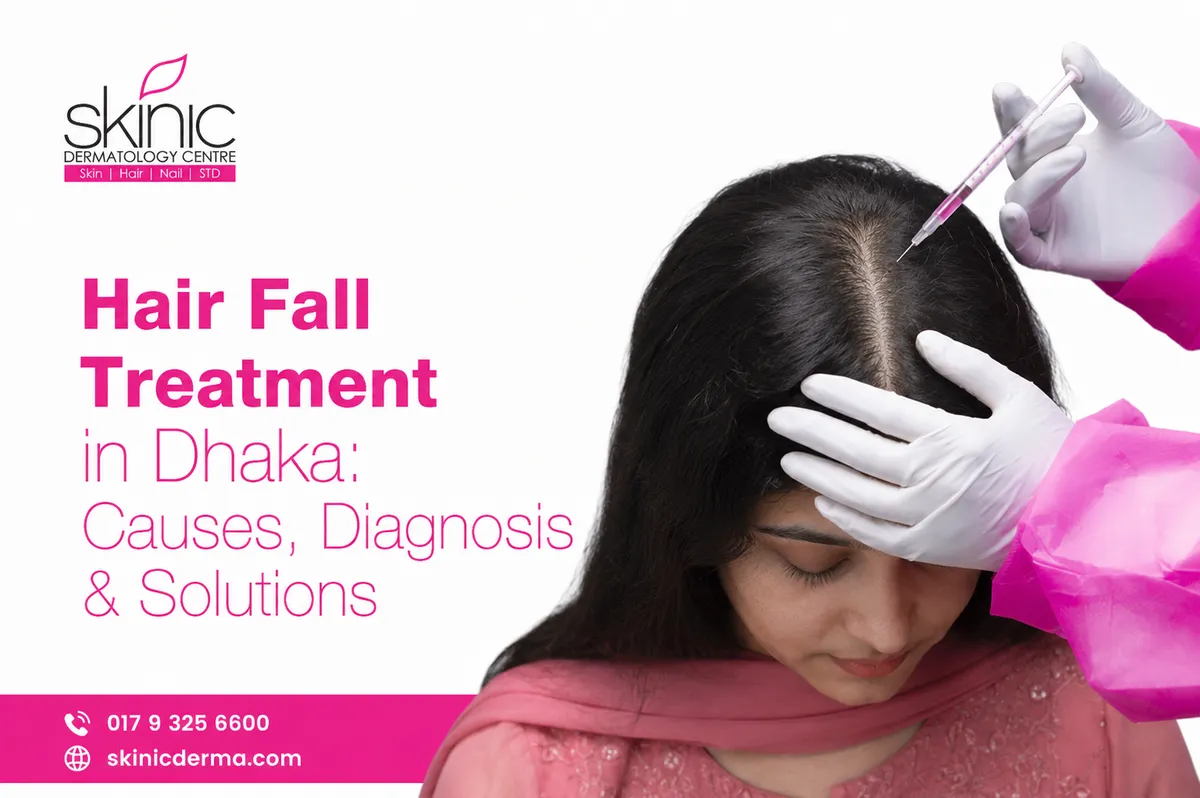
Hair fall is one of the most common concerns among people in Bangladesh today — and if you’re living in Dhaka, you know the struggle is real. Between the city’s pollution, intense heat and humidity, hard water, and the daily stress of urban life, it’s no wonder that so many Dhaka residents — both men and women — are losing more hair than they should.
But here’s the good news: hair fall is treatable. With the right diagnosis, a proper treatment plan, and guidance from a qualified hair specialist, you can regain a fuller, healthier head of hair.
In this comprehensive guide, we’ll walk you through everything you need to know about hair fall — its causes, how it’s diagnosed, what treatment options are available in Dhaka, and how to find the best hair doctor in Bangladesh who can help you get lasting results.
Understanding Hair Fall: What’s Normal and What’s Not?
Before diving into treatments, it’s important to understand the basics. Daily hair shedding of about 50 to 100 strands is common and usually not a cause for concern. Hair goes through a natural growth cycle — growth (anagen), transition (catagen), and rest (telogen) phases — and some shedding is part of this process.
However, when you’re losing significantly more than 100 hairs per day, noticing thinning patches, a receding hairline, or visible scalp, it’s time to take action.
Common signs that you need professional hair treatment include:
- Noticeable hair shedding on your pillow, hairbrush, or in the shower drain
- Thinning at the crown or temples (especially in men)
- Widening part line (especially in women)
- Visible bald patches
- Overall reduction in hair volume and density
- Scalp itching, flaking, or inflammation alongside hair loss
If you’re experiencing any of these symptoms, consulting a hair specialist doctor in Dhaka early makes a significant difference in outcome.
Schedule an Appointment for Hair Treatment
Why Is Hair Fall So Common in Dhaka?
Living in a megacity like Dhaka comes with unique environmental and lifestyle challenges that significantly contribute to hair loss.
Here’s why hair fall is especially prevalent among people in Bangladesh’s capital:
1. Air Pollution
Dhaka consistently ranks among the world’s most polluted cities. Particulate matter, dust, and toxic chemicals from vehicles and industries settle on the scalp, clog hair follicles, trigger inflammation, and weaken hair roots over time.
2. Hard Water
Much of Dhaka’s tap water contains high concentrations of calcium, magnesium, and heavy metals. Washing hair with hard water regularly strips the hair of its natural moisture, makes strands brittle, and gradually causes hair to break and fall.
3. Heat and Humidity
Bangladesh’s tropical climate means intense heat and high humidity year-round. Excessive sweating on the scalp leads to fungal growth, dandruff, scalp infections, and follicle damage — all of which accelerate hair fall.
4. Nutritional Deficiencies
Many Bangladeshis have low levels of iron, Vitamin D, zinc, and biotin — all essential nutrients for hair growth. Poor dietary habits and limited sun exposure in an increasingly indoor lifestyle worsen this problem.
5. Stress
The fast-paced, high-pressure lifestyle in Dhaka — traffic, work deadlines, financial pressures — drives chronic stress, which is one of the leading triggers of a condition called telogen effluvium, where large numbers of follicles may enter the resting stage earlier than normal.
6. Hormonal Imbalances
Thyroid disorders, polycystic ovary syndrome (PCOS), postpartum hormonal changes in women, and androgen sensitivity in men are extremely common in Bangladesh and directly cause pattern hair loss.
7. Overuse of Chemical Hair Products
Many people unknowingly damage their hair with harsh shampoos, chemical straightening treatments, bleaching, and heat styling — all of which weaken the hair shaft and damage follicles.
Common Causes of Hair Fall: A Medical Overview
Understanding what’s actually causing your hair loss is the first and most crucial step in getting the right hair fall treatment. Here are the most medically recognized causes:
Androgenetic Alopecia (Pattern Baldness)
It is the most frequently occurring cause of hair loss in both men and women. In men, hair loss most commonly appears as a receding hairline along with gradual thinning at the crown. In women, it appears as diffuse thinning across the top of the scalp. It’s largely genetic and hormone-driven.
Telogen Effluvium
This condition is commonly triggered by factors such as physical or emotional stress, illness, surgery, rapid weight loss, or nutritional deficiencies, leading to a noticeable increase in hair shedding.
It often appears 2–3 months after the triggering event.
Alopecia Areata
An autoimmune condition where the body attacks its own hair follicles, causing patchy, circular bald spots. It can affect to your scalp, eyebrows, eyelashes, and body hair.
Scalp Conditions
Dandruff (seborrheic dermatitis), scalp psoriasis, and fungal infections (tinea capitis) can all cause hair fall if left untreated. These require both hair and skin treatment simultaneously.
Hormonal Causes
In women: PCOS, thyroid disease (both hypothyroidism and hyperthyroidism), pregnancy, postpartum period, and menopause
In men: Elevated DHT (dihydrotestosterone) levels, thyroid issues
Nutritional Deficiencies
Iron deficiency anaemia is particularly common in Bangladeshi women and is a significant, yet often overlooked, cause of hair loss. Deficiencies in Vitamin D, B12, zinc, and protein also play a role.
Medication-Induced Hair Loss
Certain medications — including those for blood pressure, depression, thyroid, and chemotherapy drugs — can cause hair loss as a side effect.
How Is Hair Fall Diagnosed?
Proper diagnosis is the cornerstone of effective hair treatment in Bangladesh. At a reputable dermatology centre, diagnosis typically involves:
1. Detailed Medical History
Your doctor will review your medical history and ask questions about when the hair loss began, whether it runs in your family, your diet, medications, recent illnesses, stress levels, and your usual hair care routine.
2. Scalp Examination
A physical examination of the scalp, hair density, and the pattern of hair loss helps categorize the type of alopecia.
3. Trichoscopy (Dermoscopy of the Scalp)
A non-invasive, advanced diagnostic tool that magnifies the scalp and hair follicles, allowing the dermatologist to assess follicle health, miniaturization, and inflammation at a microscopic level.
4. Blood Tests
These include your complete blood count (CBC), thyroid function tests (TSH, T3, T4), serum ferritin, Vitamin D, Vitamin B12, zinc, and hormone panels (including testosterone and DHT in men; LH, FSH, and androgen levels in women with PCOS).
5. Scalp Biopsy (if needed)
In unclear or complex cases, a small scalp biopsy may be taken for histopathological analysis.
Getting an accurate diagnosis matters. Two people with “hair fall” may have completely different underlying causes and require entirely different treatments.
This is why seeing a certified dermatologist — not just any general practitioner — is critical.
Schedule an Appointment for Hair Treatment
Hair Fall Treatment Options Available in Dhaka
Once diagnosed, there are several effective treatments your doctor may recommend, either alone or in combination.
Here is a comprehensive overview of the best hair treatments currently available:
1. GFC (Growth Factor Concentrate) Therapy
GFC therapy is an advanced hair restoration technique that uses highly concentrated growth factors extracted from the patient’s blood. This treatment promotes faster follicle repair and supports healthier hair growth.
2. Exosome Therapy
Exosome Therapy is an advanced regenerative treatment to support healthier skin and hair. By utilizing powerful cell-derived exosomes, this treatment helps promote the skin and scalp’s natural renewal process, making it an effective option for skin rejuvenation and hair restoration.
3. Platelet-Rich Plasma (PRP) Therapy
One of the most popular and effective advanced hair treatments available in Dhaka today. PRP treatment usually starts by taking a small sample of your own blood, then processing it to isolate and concentrate growth factors, which are later injected into the scalp.
PRP stimulates dormant hair follicles, improves blood supply to the scalp, and significantly boosts hair density. Typically, patients need around 3 to 6 treatment sessions, scheduled about 4 weeks apart, with follow-up maintenance treatments every 3 to 6 months.
4. Oral Medications
- Finasteride / Dutasteride (for men): Medications that block DHT can help slow down your hair loss and may also support the growth of new hair in people affected by male pattern baldness.
- Spironolactone (for women): An anti-androgen medication that helps women with hormonal hair loss.
- Oral Minoxidil (low dose): Increasingly prescribed in low doses for diffuse hair loss in both men and women.
5. Mesotherapy for Hair
A specially formulated blend of vitamins, minerals, amino acids, and growth factors is injected in small amounts directly into the scalp. This nourishes hair follicles from within and is particularly effective for early-stage hair thinning.
6. Low-Level Laser Therapy (LLLT)
A non-invasive procedure that employs low-level laser light to activate your hair follicles and enhance blood flow in the scalp. Can be done in-clinic or with at-home laser devices (helmets/combs) recommended by your doctor.
7. Hair Growth Supplements
Based on blood test results, your doctor may prescribe targeted supplements — iron, Vitamin D, biotin, zinc, or amino acid complexes — to address the specific nutritional deficiencies driving hair loss.
8. Scalp Treatment for Dandruff & Infections
If dandruff, seborrheic dermatitis, or fungal infection is contributing to hair fall, medicated shampoos (ketoconazole, zinc pyrithione), antifungal medications, or corticosteroid scalp treatments may be prescribed.
9. Hormone Regulation
Women with PCOS or thyroid issues will need their underlying hormonal condition managed in conjunction with hair treatment. Hormonal regulation often significantly improves hair regrowth.
10. Hair Transplant Surgery
For advanced pattern baldness, hair transplant (FUE or FUT technique) is a permanent surgical solution. This involves relocating your healthy hair follicles from donor areas (usually the back of the head) to thinning or bald areas.
💡 Important: The right treatment for you depends entirely on your diagnosis. Self-medicating without professional guidance can delay results or even worsen hair loss. Always consult a qualified hair specialist doctor in Dhaka before starting any treatment.
Hair Fall Treatment for Women: Special Considerations
Hair treatment for women requires a distinctly different approach compared to men. Female hair loss is often more diffuse (spread across the whole scalp rather than concentrated in specific areas) and is frequently linked to hormonal, nutritional, and autoimmune factors.
Key considerations for women in Bangladesh:
- PCOS is extremely prevalent in Bangladeshi women and is a leading cause of androgen-driven hair thinning. Treating PCOS with appropriate medication, diet, and lifestyle changes is often the foundation of hair recovery.
- Post-pregnancy hair loss (postpartum telogen effluvium) is very common 3–6 months after childbirth. It is usually temporary but can be distressing. Nutritional support and topical treatments can accelerate recovery.
- Iron deficiency anaemia, extremely common in women of reproductive age in Bangladesh, is one of the most correctable causes of hair fall. A simple blood test and iron supplementation can make a dramatic difference.
- Low-dose oral minoxidil and spironolactone are increasingly used for women with androgenetic alopecia and have shown excellent results.
Women should never use finasteride (prescribed for men) as it can cause birth defects and is contraindicated in women of childbearing age.
Hair Fall Treatment for Men: What Works Best?
Hair treatment for men in Bangladesh most commonly addresses androgenetic alopecia (male pattern baldness), which is driven by genetics and the hormone DHT.
The most effective approach for men typically combines:
- Oral finasteride or dutasteride to block DHT and halt progressive hair loss
- Topical minoxidil to stimulate regrowth in thinning areas
- PRP therapy to revitalize follicles and improve density
- Scalp care to maintain a healthy environment for hair growth
Men in their 20s and 30s who catch early signs of receding or thinning have the best outcomes — early intervention is key to preserving existing hair and promoting regrowth.
Why Choose a Dermatologist for Hair Fall Treatment?
Many people in Bangladesh visit general physicians, homeopaths, or unqualified practitioners for hair loss — often wasting precious time and money on treatments that don’t address the root cause.
Hair loss is a dermatological condition. A qualified dermatologist has the specialized training, diagnostic tools, and clinical experience to:
- Identify the exact type and cause of your hair loss
- Order and interpret the right investigations
- Design a personalized, evidence-based treatment plan
- Monitor your progress regularly and adjust treatment as needed
- Rule out serious underlying conditions (like thyroid disease or autoimmune disorders)
Seeing a board-certified dermatologist is the most efficient and effective path to recovering your hair.
Meet Dr. Asif Imran Siddiqui — Hair & Skin Specialist in Dhaka
If you’re looking for the best hair doctor in Dhaka, look no further than Dr. Asif Imran Siddiqui, a highly qualified and experienced dermatologist at Skinic Dermatology Centre.
Dr. Siddiqui specializes in diagnosing and treating all forms of hair loss — from androgenetic alopecia and telogen effluvium to alopecia areata and scalp disorders. With deep expertise in advanced hair restoration techniques including PRP therapy, mesotherapy, and clinical trichoscopy, he provides comprehensive, personalized care for both men and women.
What sets Dr. Asif Imran Siddiqui apart:
- Specialized dermatology training with a focus on hair and scalp disorders
- Advanced diagnostic tools including trichoscopy for precise assessment
- Personalized treatment plans according to every patient’s unique hair loss profile
- Evidence-based approach — no guesswork, no unnecessary treatments
- Compassionate, patient-focused care in a modern, professional environment
Thousands of patients across Dhaka and Bangladesh have trusted Dr. Siddiqui with their hair and skin health — and seen life-changing results.
Skinic Dermatology Centre: The Best Hair Treatment Centre in Dhaka
Skinic Dermatology Centre is one of the leading dermatology clinics in Dhaka, offering world-class hair and skin treatments in a state-of-the-art facility.
What we offer at Skinic:
- Expert dermatologist consultation for hair loss diagnosis
- Advanced trichoscopy (scalp analysis)
- PRP therapy for hair regrowth
- Mesotherapy for hair
- Medical hair fall treatment (topical and oral medications)
- Scalp treatment for dandruff, psoriasis, and infections
- Nutritional and hormonal assessment for hair health
- Hair transplant referral and guidance
- Personalized aftercare and maintenance plans
Whether you’re a young professional dealing with early hair thinning, a new mother experiencing postpartum shedding, or someone struggling with long-term pattern baldness — Skinic Dermatology Centre has the expertise and treatments to help you.
Tips to Prevent Hair Fall at Home (While You Seek Treatment)
While professional treatment is essential, these evidence-based habits can support your hair health between clinic visits:
Diet and nutrition:
- Eat a protein-rich diet (eggs, fish, lentils, chicken) — hair is made of keratin protein
- Add foods that are high in iron, such as leafy vegetables, red meat, and lentils, to your diet.
- Stay hydrated — dehydration affects scalp health
- Avoid crash diets or extreme caloric restriction
Hair care habits:
- Use a mild, sulphate-free shampoo appropriate for your scalp type
- Avoid very hot water when washing hair — use lukewarm water
- Minimize heat styling (blow dryers, straighteners, curling irons)
- Carefully remove tangles from your hair with a wide-tooth comb, starting from the ends and working upward.
- Avoid tight hairstyles (tight braids, ponytails) that cause traction alopecia
- Limit chemical treatments (bleaching, perming, rebonding)
Lifestyle:
- Manage stress through exercise, meditation, or breathing techniques
- Get 7–8 hours of sleep per night — hair growth hormone is released during deep sleep
- Exercise regularly to improve scalp circulation
Scalp care:
- Maintain a clean scalp to help avoid dandruff and product buildup
- Gentle scalp massage (3–5 minutes daily) can improve blood circulation to follicles
- Protect your hair from sun exposure with a hat or scarf when outdoors in peak heat
Final Thoughts: Don’t Ignore Your Hair Fall
Hair fall is more than a beauty concern— it can deeply affect your confidence, mental health, and quality of life. But with the right diagnosis and treatment plan from a qualified specialist, it’s a condition you can address effectively.
In a city like Dhaka, where environmental, dietary, and lifestyle factors all conspire against hair health, professional guidance is more important than ever. Don’t rely on over-the-counter products, home remedies, or unqualified advice. Get the expert care you deserve.
Frequently Asked Questions (FAQs)
1. Is hair fall treatable in Bangladesh?
Yes, absolutely. The majority of hair loss conditions are treatable with modern dermatological care.
2. How long does hair fall treatment take to show results?
Hair grows slowly — typically 1–1.5 cm per month. In most treatments take 3 to 6 months to show visible improvement. Some patients notice reduced shedding within 4–6 weeks of starting treatment, with regrowth becoming visible after 3–4 months.
3. Is PRP therapy safe?
Yes. PRP uses your own blood, so there is virtually no risk of allergic reaction or infection. It is one of the safest and most natural hair restoration treatments available.
4. Can women use minoxidil?
Yes. Minoxidil is approved for use in women and is highly effective. Women are usually use a 2% or 5% topical formulation, or a low-dose oral version as prescribed by their doctor.
5. What is the cost of hair fall treatment in Dhaka?
The cost varies depending on the type of treatment. Consultations, blood tests, and topical medications are relatively affordable. PRP therapy and mesotherapy involve higher costs per session. Your doctor at Skinic Dermatology Centre will provide a clear, transparent cost breakdown during your consultation.
6. Can I regrow completely lost hair?
This depends on how long the follicles have been inactive. Early-stage hair thinning responds much better to treatment. In areas where follicles have been dormant for many years and significant scarring has occurred, regrowth may be limited. This is why consulting a specialist as early as possible is so important.
7. Who is the best hair doctor in Bangladesh for hair loss?
Dr. Asif Imran Siddiqui at Skinic Dermatology Centre is among the most trusted and experienced hair specialists in Dhaka, offering comprehensive, evidence-based hair fall treatment for both men and women.
Book Your Appointment
Appointment will be confirmed over phone as per the available time slot of our consultant.